Afro Hair Transplant
Afro Hair Transplant requires specialized knowledge and unique techniques. African and curly hair has distinctive properties that our experienced surgeons master perfectly – for natural, dense results.
Afro Hair Transplant – Specialized Expertise for Curly Hair
An Afro Hair Transplant is a highly specialized form of hair restoration that requires particular knowledge of African and curly hair. Unlike straight hair, afro-textured hair follicles have a unique C- or S-shaped curvature that begins beneath the skin surface. This anatomical characteristic makes extraction and implantation technically more demanding.
Our clinic is among the few in Europe that specialize in Afro Hair Transplant. Our surgeons have performed hundreds of successful procedures on patients of African, Caribbean, and mixed heritage. We understand the unique requirements and have adapted our techniques accordingly.
Why Afro Hair Transplant With Us: Specialized surgeons with afro hair experience, adapted punch needles for curved follicles, low transection rate, natural results, English-speaking care team.
What Makes African Hair Special During Transplantation?
The greatest challenge in Afro Hair Transplant is the structure of the hair follicles. While European or Asian hair usually grows straight into the scalp, African follicles are spirally curved. With standard FUE techniques, there is a high risk of damaging these follicles during extraction – known as transection.
Our specialists use modified techniques: special punch needles with larger diameter (0.9-1.0 mm), a shallower extraction angle, and slower, more careful rotation. These adjustments reduce the transection rate to under 5% – comparable to the best results with straight hair.
An additional advantage of Afro Hair Transplant: African hair is often thicker and provides more volume per hair. This means you may need fewer grafts to achieve a dense result. Scarring is also often less visible on darker skin.
Common Causes of Hair Loss in African Hair
- Traction alopecia from tight hairstyles (braids, cornrows, extensions)
- Androgenetic alopecia (genetic hair loss)
- Central Centrifugal Cicatricial Alopecia (CCCA)
- Chemical damage from relaxers or straightening agents
- Heat damage from frequent straightening
- Receding hairline in men
- Diffuse thinning along the part line
Traction Alopecia – The Most Common Reason for Afro Hair Transplant
Traction alopecia is one of the most common causes of hair loss leading to Afro Hair Transplant. Years of wearing tight hairstyles such as braids, cornrows, weaves, or extensions puts constant tension on the hair follicles. Over time, they become damaged and stop producing hair.
The typical areas affected are the temples, the hairline, and the area around the ears. In early stages, traction alopecia is reversible – if the tension stops, the follicles can recover. With advanced hair loss, however, an Afro Hair Transplant is often the only permanent solution.
The good news: traction alopecia usually affects only certain areas, so there are sufficient healthy donor hairs available. We can effectively fill in the bald spots and restore a natural hairline.
Expert Tip: After an Afro Hair Transplant, you should wait at least 6 months before wearing tight hairstyles again. Permanently avoid excessive tension on the transplanted hairs to prevent recurrence of traction alopecia.
Our Technique for Afro Hair Transplant
For Afro Hair Transplant, we have modified our standard techniques. Extraction is performed with special punch needles that can follow the curvature of the follicles. We work at a shallower angle (approximately 30-40 degrees instead of 45-60 degrees) and rotate the punch needle more slowly.
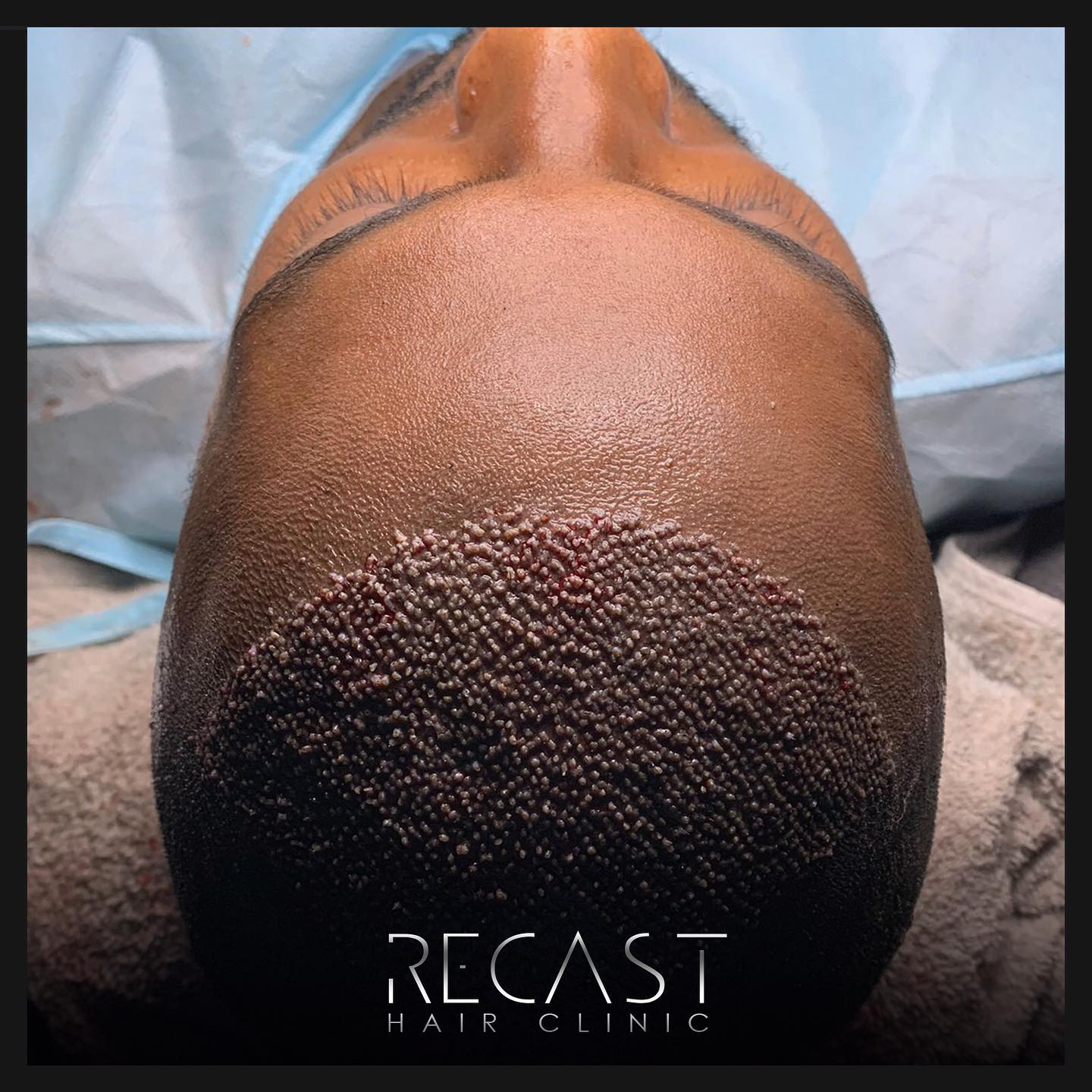
Implantation also requires adjustments. The channels are opened according to the natural growth direction and curvature. When using the DHI technique, we can work even more precisely and control the angle of each individual hair.
- 1 Special punch needles with 0.9-1.0 mm diameter
- 2 Shallower extraction angle for curved follicles
- 3 Slower, controlled rotation during extraction
- 4 Adapted channel opening for natural growth direction
- 5 DHI technique for precise angle control during implantation
The Process of Your Afro Hair Transplant
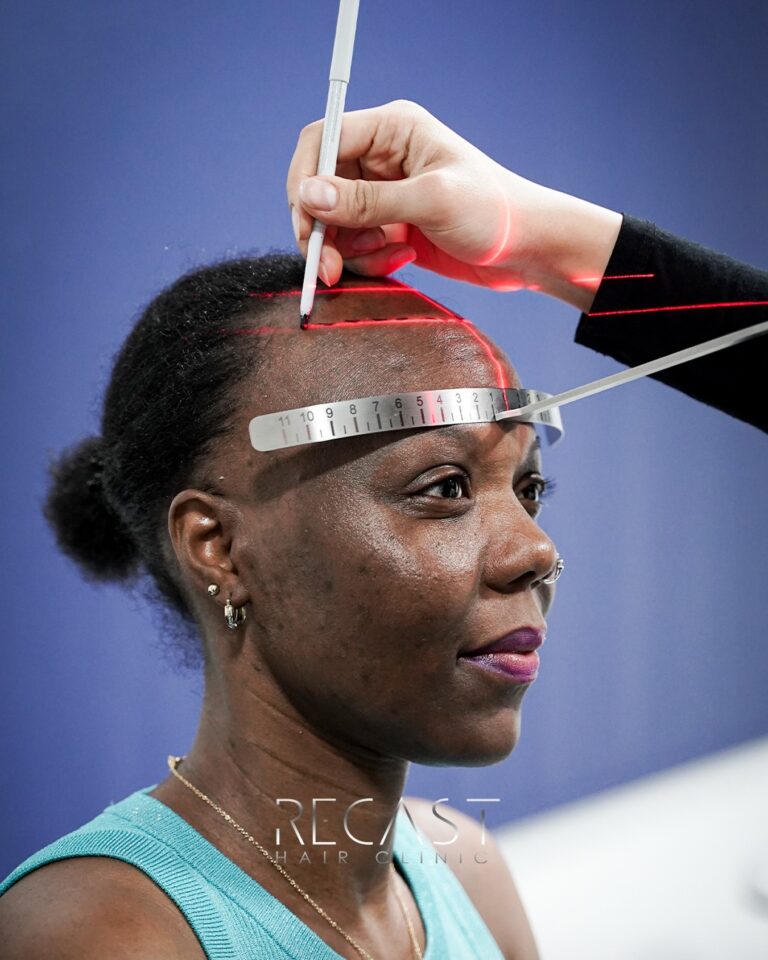
The consultation for an Afro Hair Transplant is particularly important. We analyze your hair structure, the cause of hair loss, and your goals. Photos from various angles help us create a realistic treatment plan.
- → Consultation: Analysis of hair structure and cause of hair loss
- → Day 1: Arrival, blood test, discussion with the surgeon
- → Day 2: Afro Hair Transplant with specialized techniques (6-10 hours)
- → Day 3: First gentle hair wash, detailed aftercare instructions
- → Day 4: Follow-up examination, styling tips for curly hair, departure
Recovery and Results for Afro Hair
Recovery after an Afro Hair Transplant is similar to other hair types, with some differences. Crusts may take slightly longer to fall off (10-14 days). Since African hair grows more slowly (approximately 0.9 cm per month instead of 1.3 cm), it takes longer for the full result to become visible.
The final result of your Afro Hair Transplant is fully visible after 15-18 months. The transplanted hairs retain their natural texture – if your hair was curly, the transplanted hair will also grow curly. After healing, you can use your usual care products and styling methods.
- → Week 1-2: Healing, crusts fall off, light redness
- → Week 2-4: Shock Loss – transplanted hairs fall out (normal)
- → Month 3-5: First new hairs become visible
- → Month 6-12: Continuous growth, curls become more defined
- → Month 15-18: Final result with full density and natural texture
"I had worn braids for years and my temples were completely bald. Other clinics told me my hair was too difficult. Here they performed the Afro Hair Transplant perfectly – after a year I have a full hairline again and can finally wear any style I want."
– Amara K., Marketing Manager, 35
Cost of Afro Hair Transplant
An Afro Hair Transplant at our clinic costs between €2,800 and €5,500 all-inclusive. The cost may be slightly higher than for straight hair, as the procedure is technically more demanding and requires specialized expertise.
In the UK or USA, you would pay €12,000 to €25,000 for a high-quality Afro Hair Transplant. With us, you receive the same expertise from experienced specialists at a fraction of the cost.
- Specialized consultation for African hair
- Afro Hair Transplant with adapted techniques
- 3-4 nights in a 4-5 star hotel
- All airport transfers with VIP vehicles
- Aftercare kit with products for curly hair
- First hair wash at the clinic with specialized tips
- 12 months aftercare with English-speaking coordinator
- Lifetime guarantee on transplanted hair
Why Choose Us for Your Afro Hair Transplant?
Not every clinic can successfully perform an Afro Hair Transplant. We have specialized surgeons who understand the unique requirements of African and curly hair. Our techniques have been specifically developed and refined for this hair structure.
We are happy to show you before-and-after photos of patients with a similar hair type. Our experience covers all varieties of afro-textured hair – from slightly wavy to tightly coiled. We know how to achieve optimal results with every hair type.
Quality Promise: Our specialists have performed hundreds of successful Afro Hair Transplants. We guarantee specialized treatment for your hair type and natural, long-lasting results.
Your Next Step Toward Afro Hair Transplant
The first step toward your Afro Hair Transplant is a free consultation. Send us photos of your current hair situation, and our specialists will analyze your case. We will discuss what results are realistic and which technique is optimal for your hair type.
The consultation is non-binding and free of charge. You will receive a detailed treatment plan with a cost estimate. If you decide on an Afro Hair Transplant, we will organize your entire journey.
Don't be turned away by clinics that claim African hair is too difficult. With the right expertise, a successful Afro Hair Transplant is absolutely possible. Contact us today!
Get your free consultation now: Fill out the contact form or message us on WhatsApp. Our English-speaking team with afro hair expertise will respond within 24 hours with a personal assessment for your Afro Hair Transplant.
Afro Hair Transplant Before & After
See the impressive results of our Afro Hair Transplant for yourself. Natural results and satisfied patients.
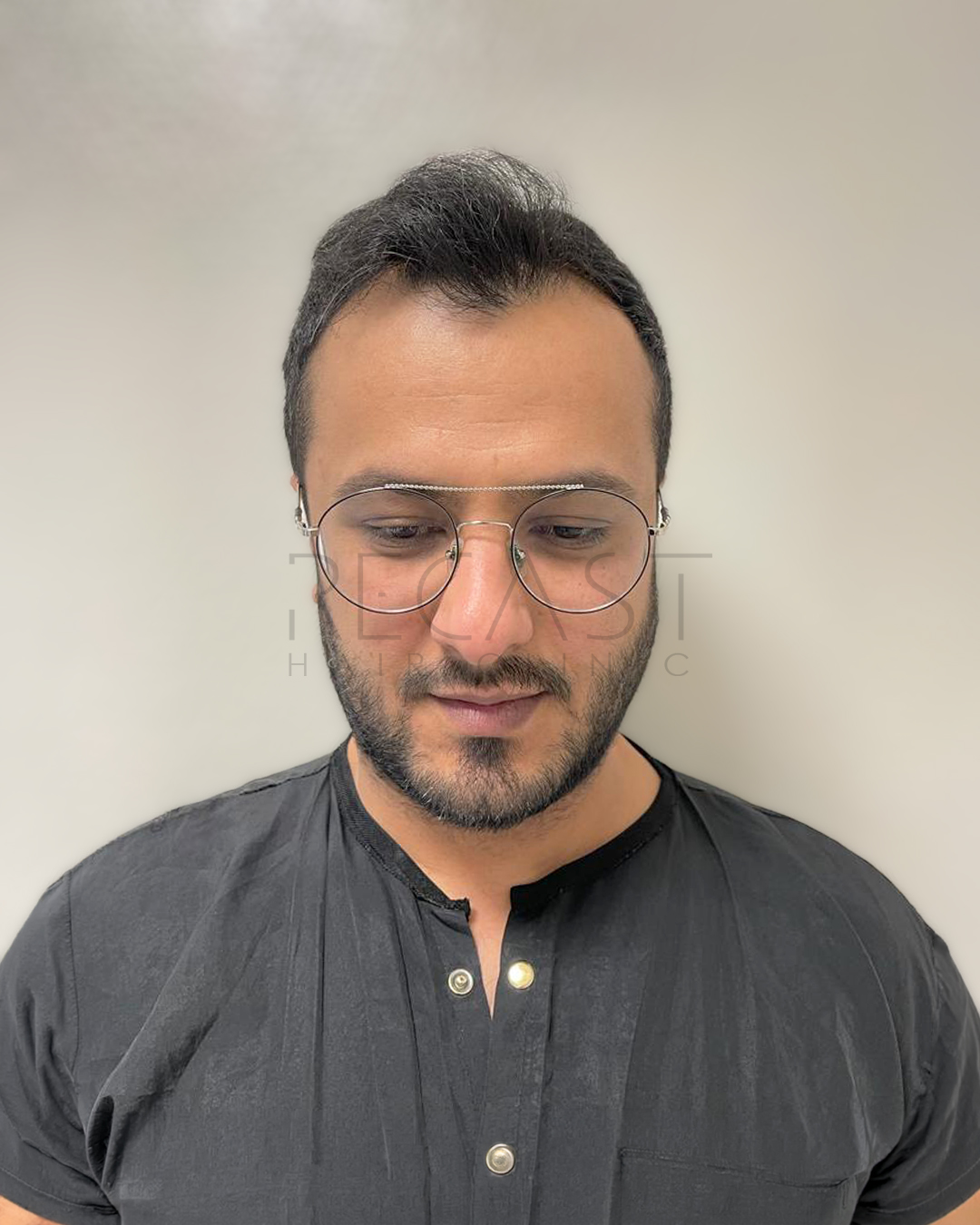 BEFORE
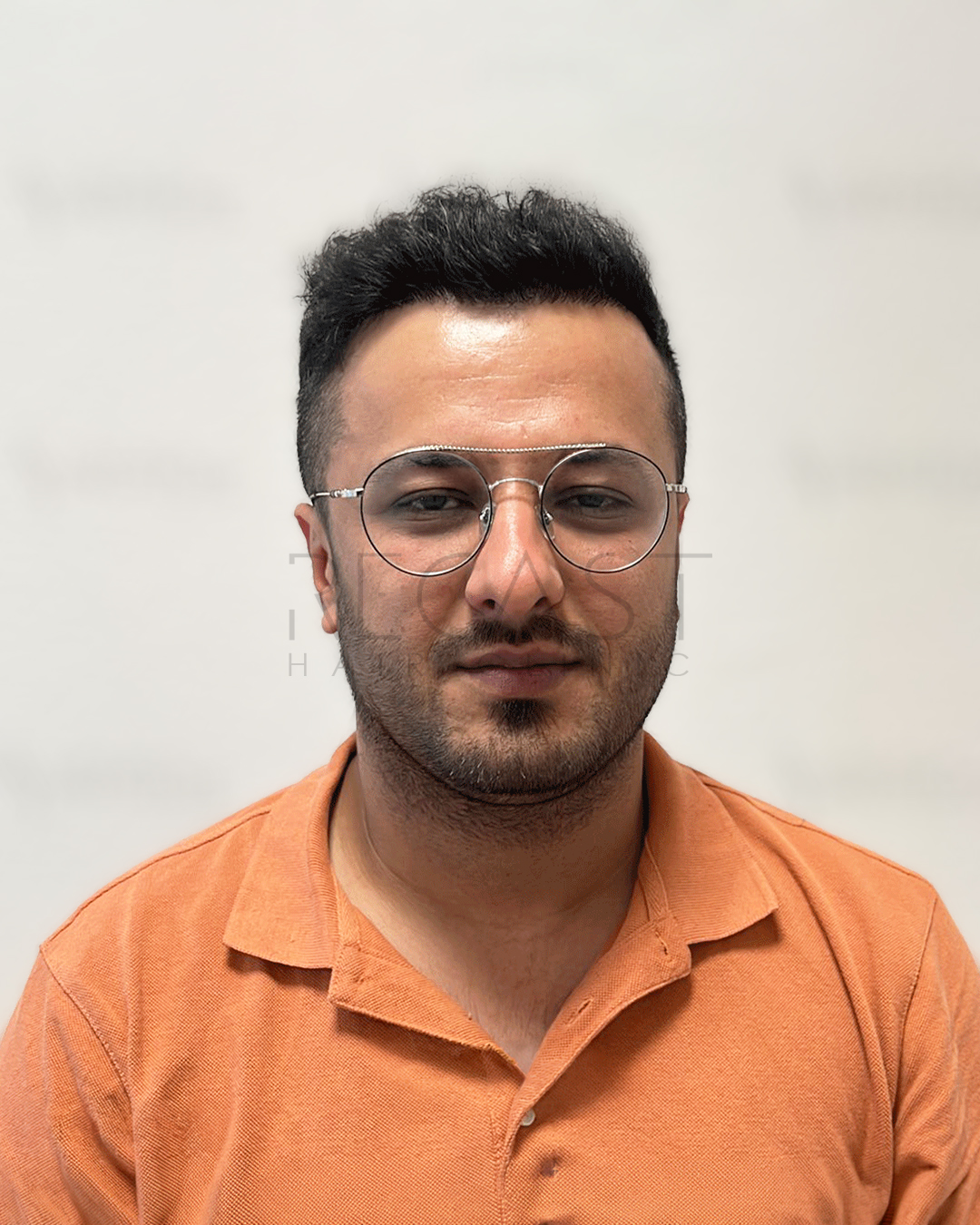 AFTER
AFTER
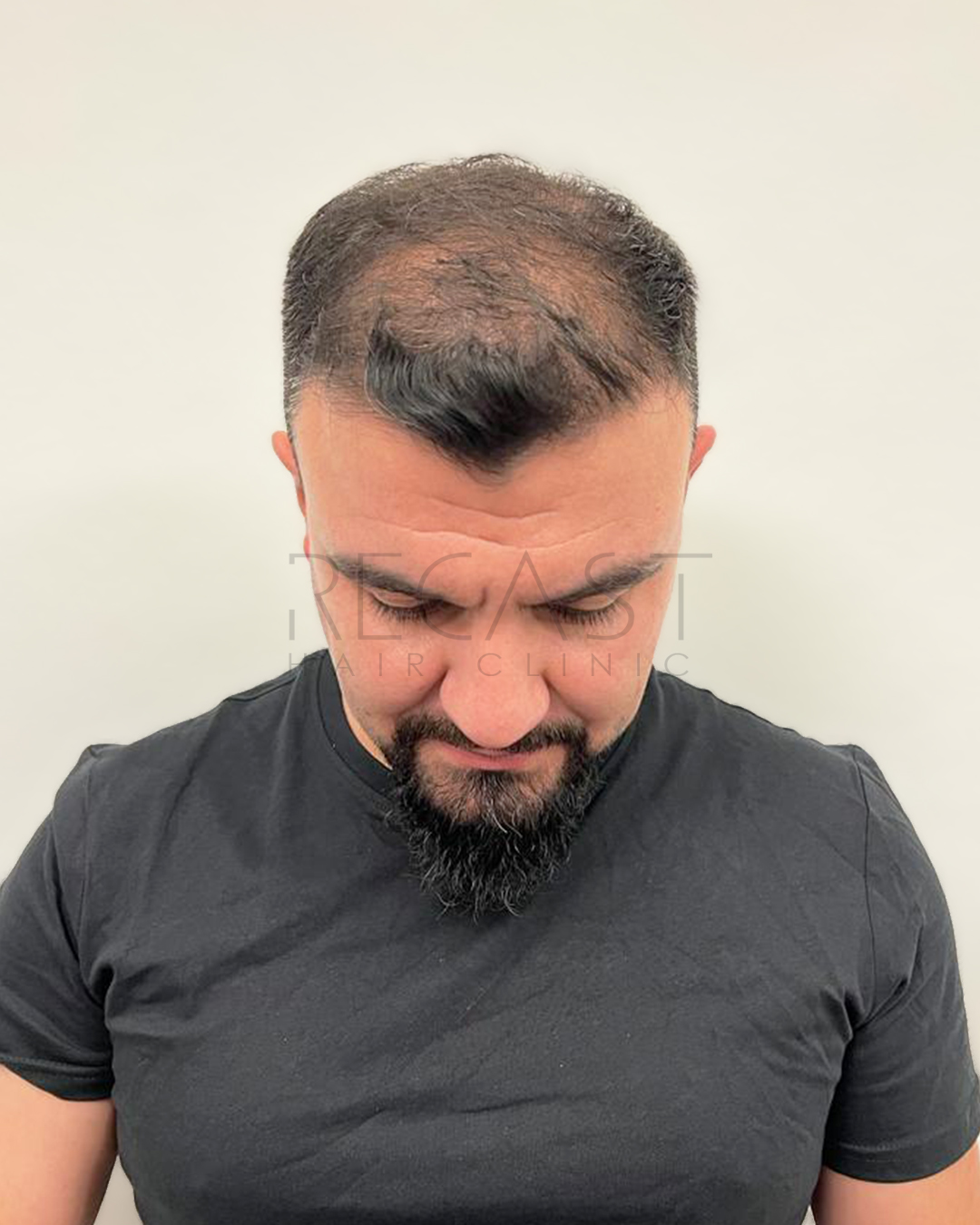 BEFORE
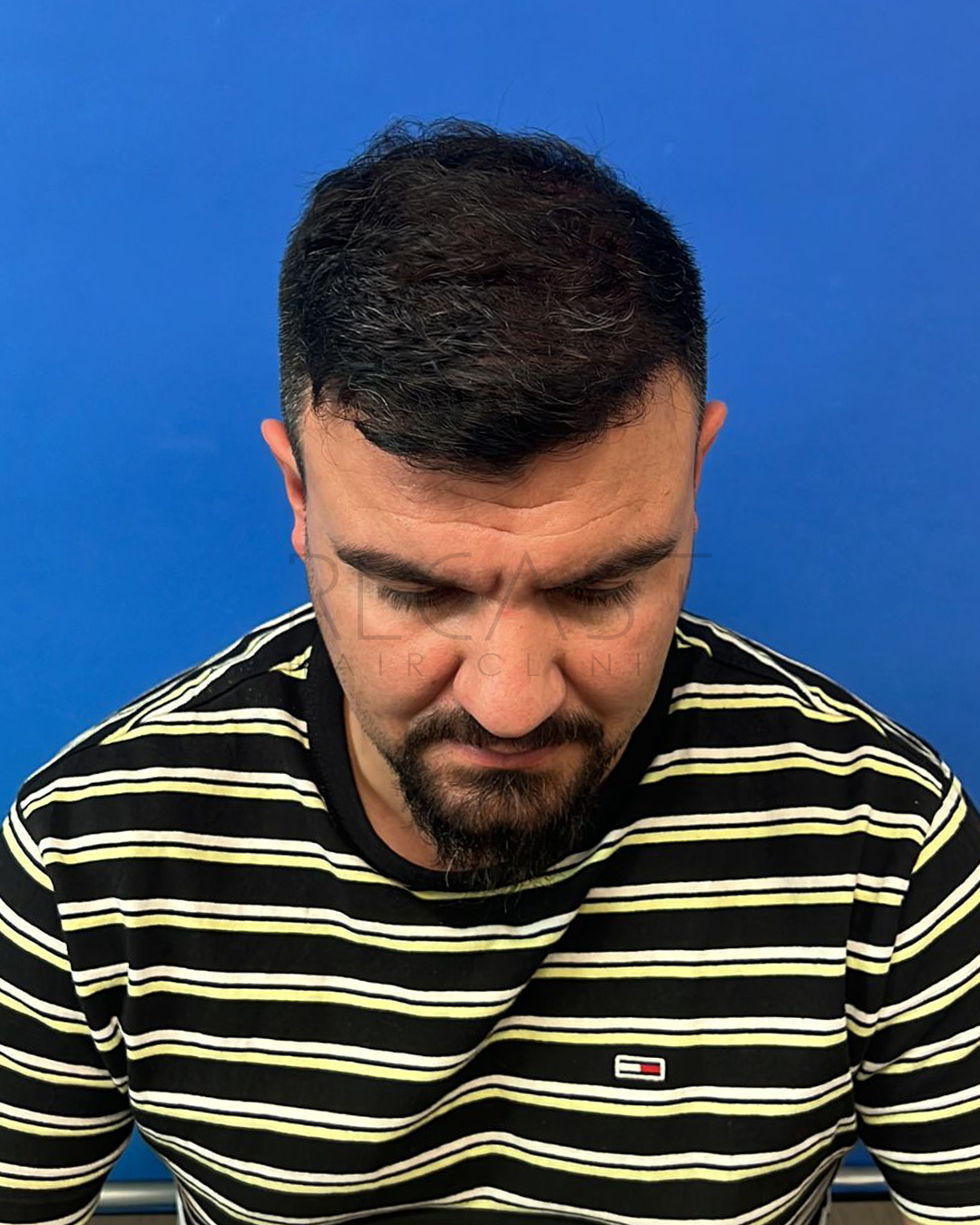 AFTER
AFTER
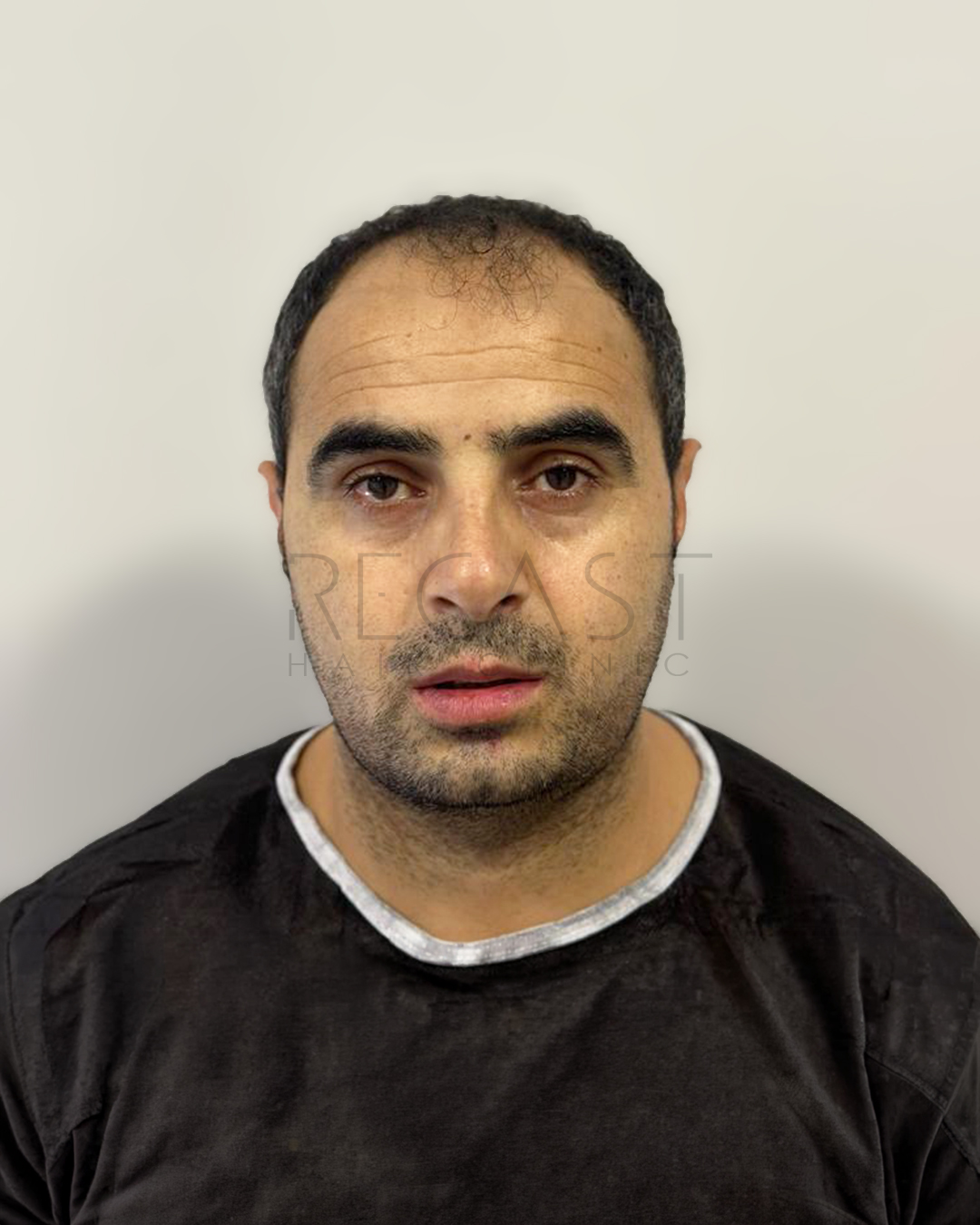 BEFORE
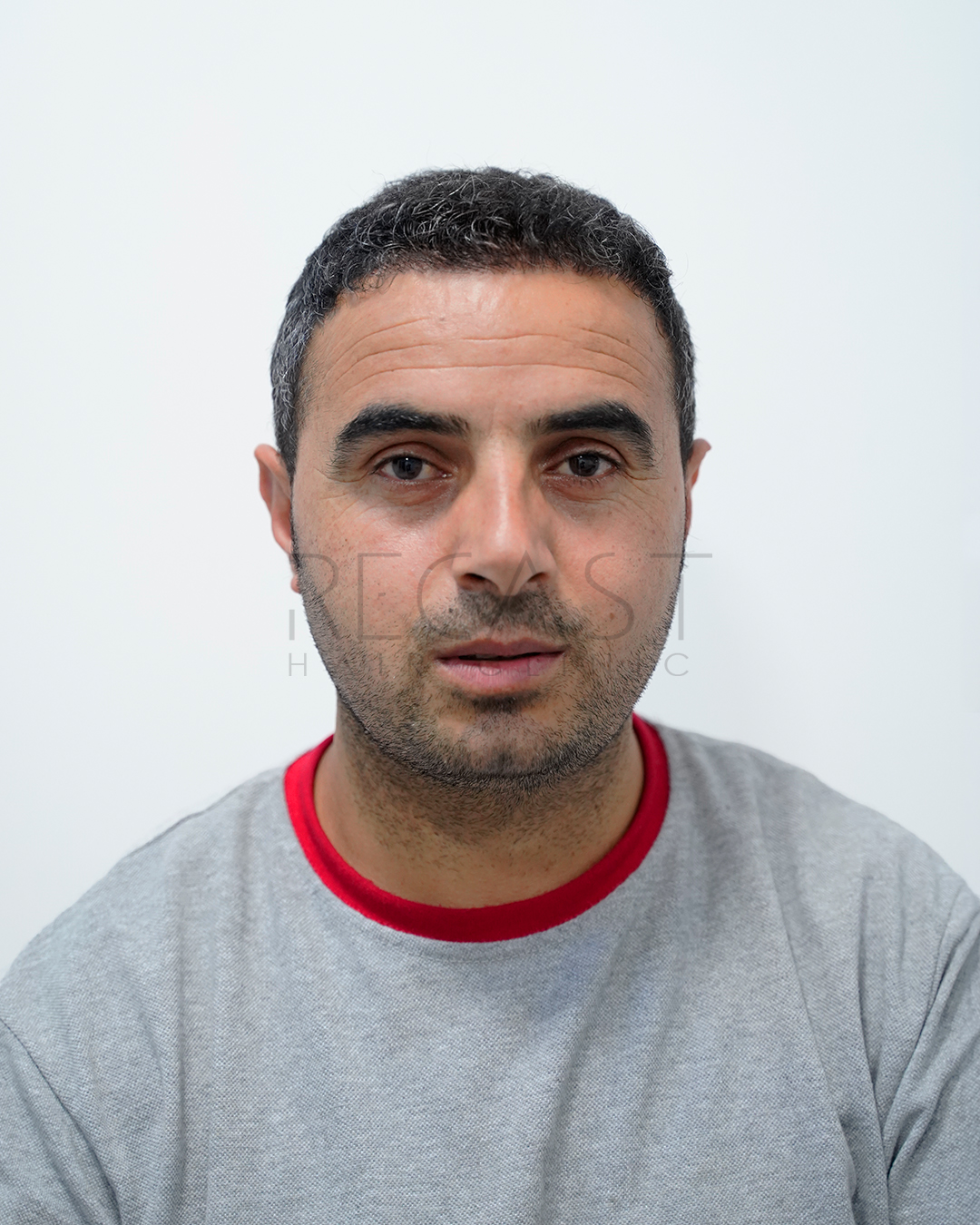 AFTER
AFTER
Would you like to achieve similar results?
Request Free AnalysisFrequently Asked Questions About Afro Hair Transplant
Find answers to the most important questions about Afro Hair Transplant. Click on a question to see the answer.
Afro Hair Transplant requires specialized knowledge because African hair is highly curved – even beneath the skin surface. The hair follicles grow in a C- or S-shape, making extraction more complex. Our specialists have years of experience with this hair structure and use adapted techniques for optimal results.
In Afro Hair Transplant, the surgeon must extract the curved follicles without damage. With inexperienced doctors, the transection rate (follicle damage) is significantly higher. Our experts have developed special punch needles and techniques to safely extract the follicles.
For Afro Hair Transplant, we use modified FUE techniques with special punch needles (0.9-1.0 mm) that follow the curvature of the follicles. Extraction is performed at a shallower angle. The DHI technique can also be adapted for precise implantation.
In Afro Hair Transplant, 1,500 to 3,500 grafts can be transplanted per session depending on donor density. Since African hair is often thicker and provides more volume per hair, good coverage results can be achieved with fewer grafts.
No, Afro Hair Transplant is just as painless as for other hair types. The procedure is performed under local anesthesia. The scalp of people of African heritage is often slightly thicker, which can actually benefit healing.
Recovery after Afro Hair Transplant is similar to other hair types. Crusts fall off after 10-14 days, redness disappears after 2-3 weeks. Since African hair grows more slowly, the final result may take 15-18 months.
Yes! Transplanted hair retains its natural texture. If your hair was curly, the transplanted hair will also grow curly. After Afro Hair Transplant, you can use your usual styling methods.
Afro Hair Transplant at our clinic costs between €2,800 and €5,500 all-inclusive. The price may be slightly higher than for straight hair, as the procedure is technically more demanding and requires more time.
Yes, traction alopecia (hair loss from tight hairstyles like braids, cornrows, or extensions) is one of the most common reasons for Afro Hair Transplant. We can effectively fill in bald spots at the temples and hairline.
Not all clinics have experience with Afro Hair Transplant. We have specialized surgeons who have performed hundreds of successful afro transplants and know the unique requirements of this hair type.
Ask about specific experience with African and curly hair. Request before-and-after photos of patients with a similar hair type. An experienced Afro Hair Transplant specialist knows the challenges and will show you relevant references.
Yes, Afro Hair Transplant results are permanent. The transplanted follicles come from the genetically resistant back of the head and retain this property. The hair does not fall out and continues to grow for life.