Vertex Hair Transplant
Vertex Hair Transplant treats the challenging crown area (tonsure) at the back of the head. This zone requires special expertise due to the spiral growth pattern. Our specialists create natural results with a perfect whorl structure.
Vertex Hair Transplant – Specialized Treatment for the Crown Area
A Vertex Hair Transplant treats the whorl area at the back of the top of the head – often referred to as the "tonsure" or "monk's spot." This area is frequently affected by androgenetic alopecia in men and can show baldness at a young age. The bald spot often starts small and expands in a circular pattern over time.
Treating the vertex requires special expertise. Unlike the hairline or the front of the scalp, the hair here grows in a spiral pattern around the whorl. In a Vertex Hair Transplant, this natural pattern must be precisely replicated so the hair falls correctly and the result looks natural.
Why Vertex With Us: Specialized whorl expertise, natural spiral placement, strategic planning for future hair loss, maximum density, English-speaking care team.
The Challenge of Vertex Hair Transplant
The vertex is a challenging zone for Vertex Hair Transplant for several reasons. First, the area is often larger than expected – when the hair is wet or in bright light, the true extent becomes apparent. Second, the whorl is a complex structure where hair grows in different directions.
Another factor is blood supply. The vertex has slightly lower blood circulation than the front of the scalp, which can affect graft survival rates. Our techniques are designed to compensate for this factor and achieve optimal results.
Finally, future hair loss must also be considered in a Vertex Hair Transplant. The vertex area often expands further over time. We plan strategically to avoid having transplanted hair later surrounded by new hair loss.
When Is the Right Time for a Vertex Treatment?
- Hair loss in the vertex area has stabilized
- You are at least 25-30 years old
- Sufficient donor hair is available
- Hairline is already treated or stable
- Medication therapy shows insufficient results
- The bald spot is cosmetically bothersome
- Realistic expectations about results and limitations
The Technique Behind Vertex Hair Transplant
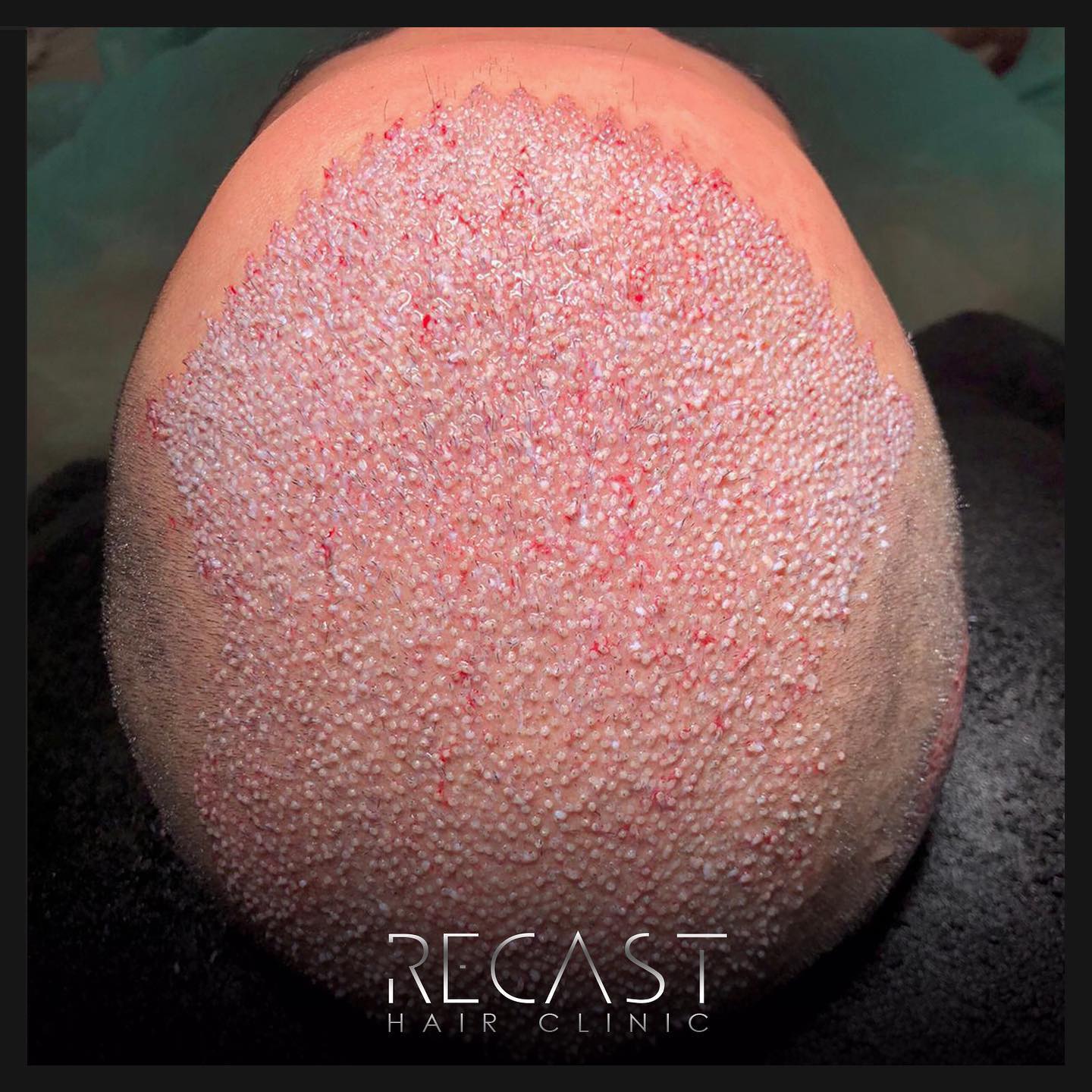
In a Vertex Hair Transplant, correct growth direction is crucial. We start from the center of the whorl and work outward in a spiral. Each graft is placed to follow the natural growth pattern – the hairs radiate from the center outward.
For the vertex, we often use grafts with 2-4 hairs, as density is more important here than the fine transition at the hairline. Placement is done at a steeper angle than at the front, matching the natural growth in this area.
For larger vertex treatments, we use a combination of FUE and DHI. The larger areas are treated with FUE, while we use the DHI technique for precise work at the whorl center.
- 1 Analysis of the existing whorl and its position
- 2 Planning of spiral placement from center outward
- 3 Use of multi-hair grafts for maximum density
- 4 Adjustment of angle to natural growth pattern
- 5 Strategic distribution for future hair loss
Vertex and Hairline: Which Comes First?
A common question in Vertex Hair Transplant is prioritization: should the vertex or the hairline be treated first? Our recommendation: the hairline usually takes priority, as it is the most visible part and frames the face.
The vertex is less visible – you rarely see it yourself, and others mainly notice it when standing behind you. With limited donor supply, it is often wiser to optimally treat the hairline and address the vertex later.
If sufficient donor hair is available, we can of course treat both areas in a single session during your Vertex Hair Transplant. This is possible with 4,000-5,000+ available grafts.
Expert Tip: In Vertex Hair Transplant, conservative planning is important. We don't only treat the currently bald area, but also consider areas likely to become bald in the future. This way we avoid isolated hair islands.
Medication Support for Vertex Hair Transplant
The vertex area responds particularly well to medication. Finasteride and Minoxidil can often stop or even reverse hair loss in the vertex. We almost always recommend accompanying medication therapy with a Vertex Hair Transplant.
This has several benefits: remaining natural hair is strengthened, hair loss around the transplanted area is slowed, and the overall result becomes denser and more natural. For patients who prefer not to take medication, we account for likely future hair loss in our planning.
- Finasteride: Stops hair loss, promotes regrowth
- Minoxidil: Stimulates hair growth in the vertex area
- PRP therapy: Supports healing and hair growth
- Combination: Optimal results with transplant + medication
Recovery and Results of Vertex Hair Transplant
Recovery after a Vertex Hair Transplant is similar to other areas. An advantage of the vertex: it is less visible, so the healing phase is less bothersome in daily life. Crusts fall off after 7-10 days, redness disappears after 2-3 weeks.
The result of a Vertex Hair Transplant develops over 12-18 months. Since the vertex is a larger area, it may take slightly longer to reach full density. After one year, however, you will have a noticeably fuller crown.
- → Week 1-2: Crusts fall off, light redness
- → Week 2-4: Shock Loss, transplanted hairs fall out
- → Month 3-5: First new hairs become visible
- → Month 6-12: Continuous growth, whorl becomes more defined
- → Month 12-18: Final result with natural whorl structure
"The bald spot at the back of my head bothered me for years – especially when I saw myself from behind in an elevator mirror. After the Vertex Hair Transplant, my crown is full again. Nobody can tell I was ever bald there."
– Daniel M., Architect, 42
Cost of Vertex Hair Transplant
The cost of a Vertex Hair Transplant depends on the size of the area to be treated. At our clinic, treatment costs between €2,500 and €5,000 all-inclusive. Larger vertex areas requiring more grafts are at the upper end.
If you wish to treat both vertex and hairline in one session, we offer attractive package prices. Combining treatments is often more cost-effective than two separate procedures.
- Detailed consultation and strategic planning
- Vertex Hair Transplant with natural whorl structure
- 3-4 nights in a 4-5 star hotel
- All airport transfers with VIP vehicles
- Complete aftercare kit with medications
- First hair wash at the clinic
- 12 months aftercare with English-speaking coordinator
- Lifetime guarantee on transplanted hair
Long-Term Planning for the Vertex
In Vertex Hair Transplant, we always think long-term. The vertex area expands in most patients over time. We take this into account in our planning and often recommend treating a larger area than the currently bald spot.
We also preserve donor reserves for possible future treatments. We never extract more grafts than necessary and ensure even extraction to preserve the donor zone.
Quality Promise: In Vertex Hair Transplant, we focus on strategic, long-term planning. We don't only treat the current problem but think about your future.
Your Next Step Toward Vertex Hair Transplant
The first step toward your Vertex Hair Transplant is a free consultation. Send us photos of your vertex area from different angles, and our specialists will analyze your case. We will discuss how many grafts are needed and what results are realistic.
The consultation is non-binding and free of charge. You will receive a detailed plan with a cost estimate. Contact us today!
Get your free consultation now: Fill out the contact form or message us on WhatsApp. Our English-speaking team will respond within 24 hours with a personal assessment for your Vertex Hair Transplant.
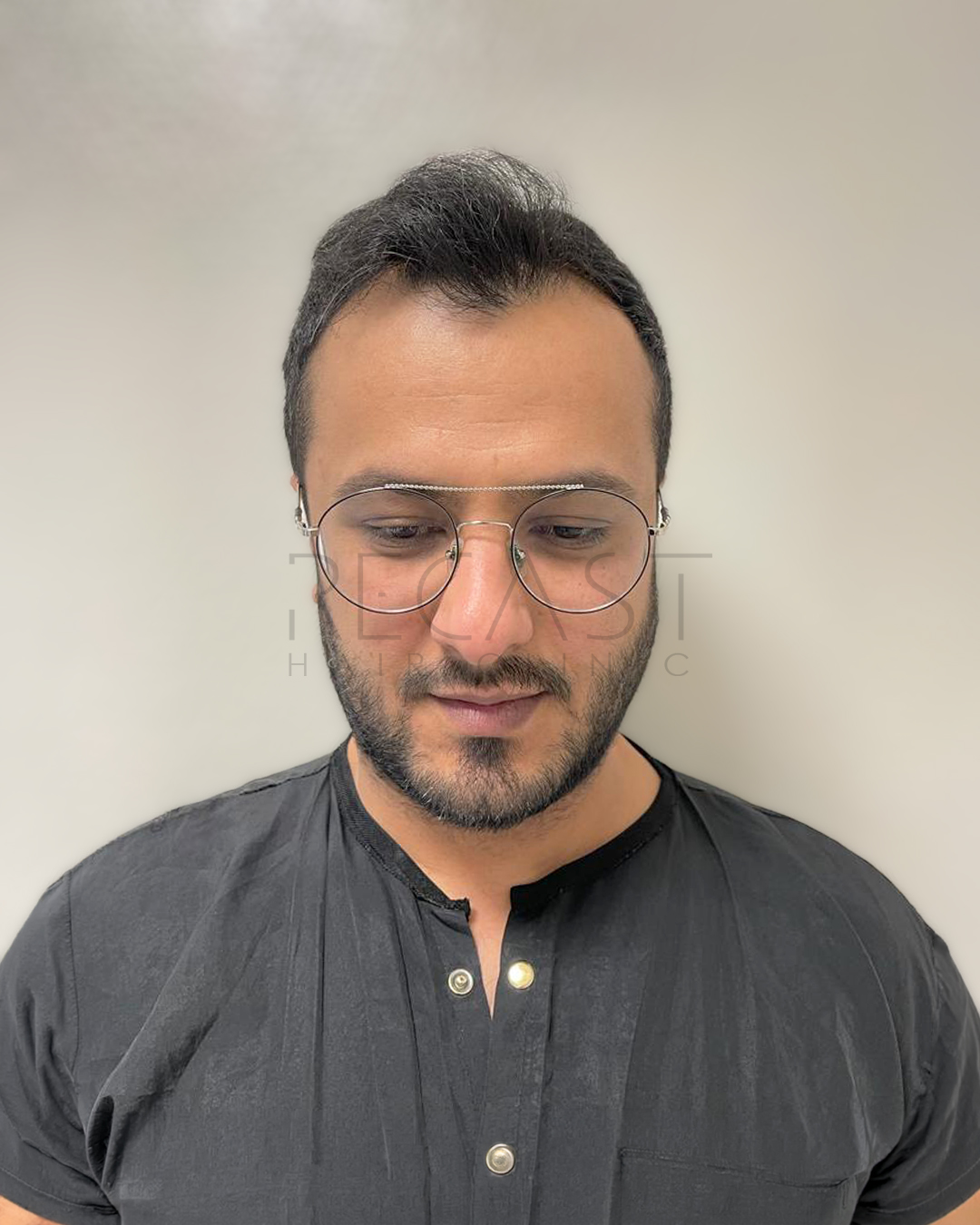
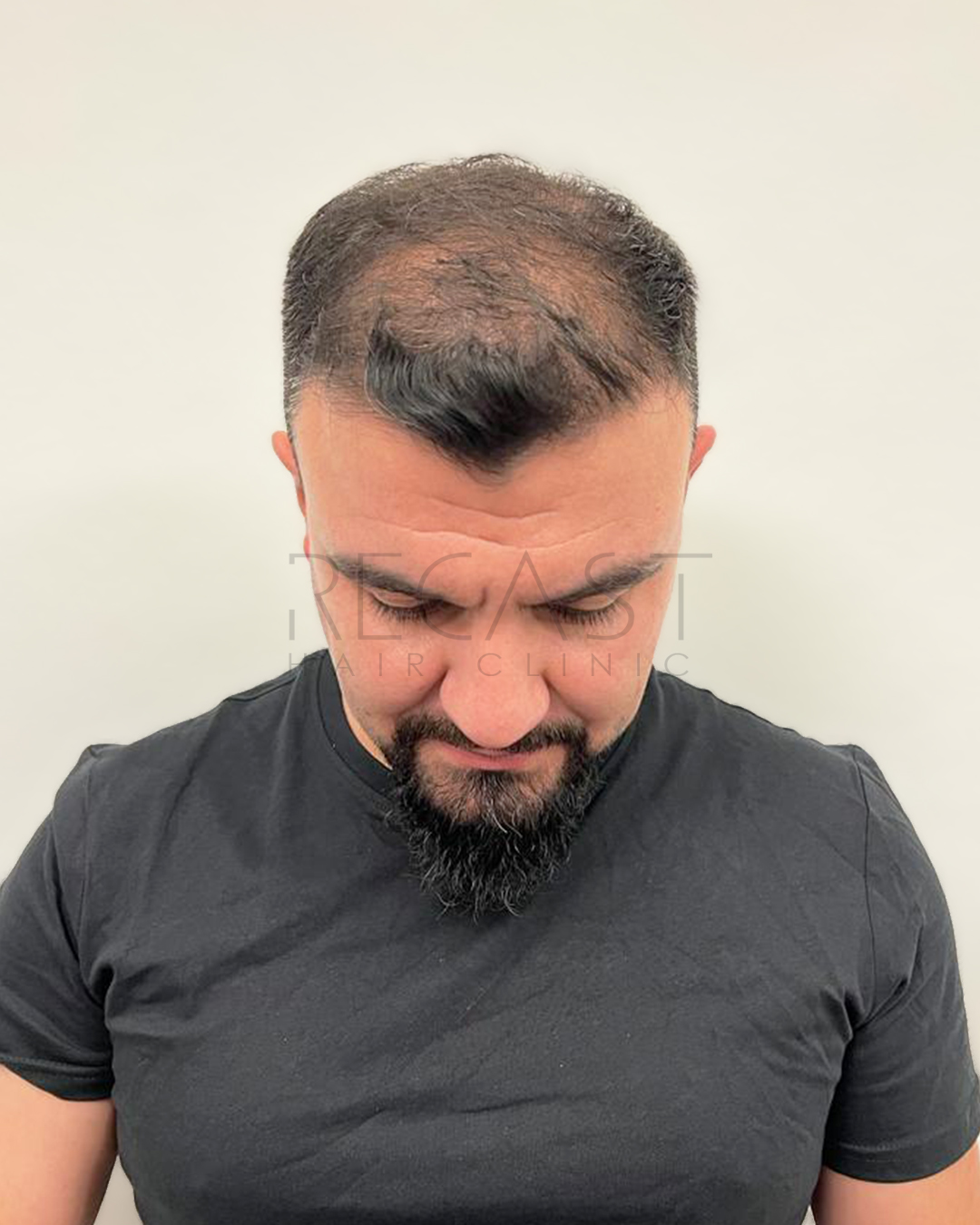
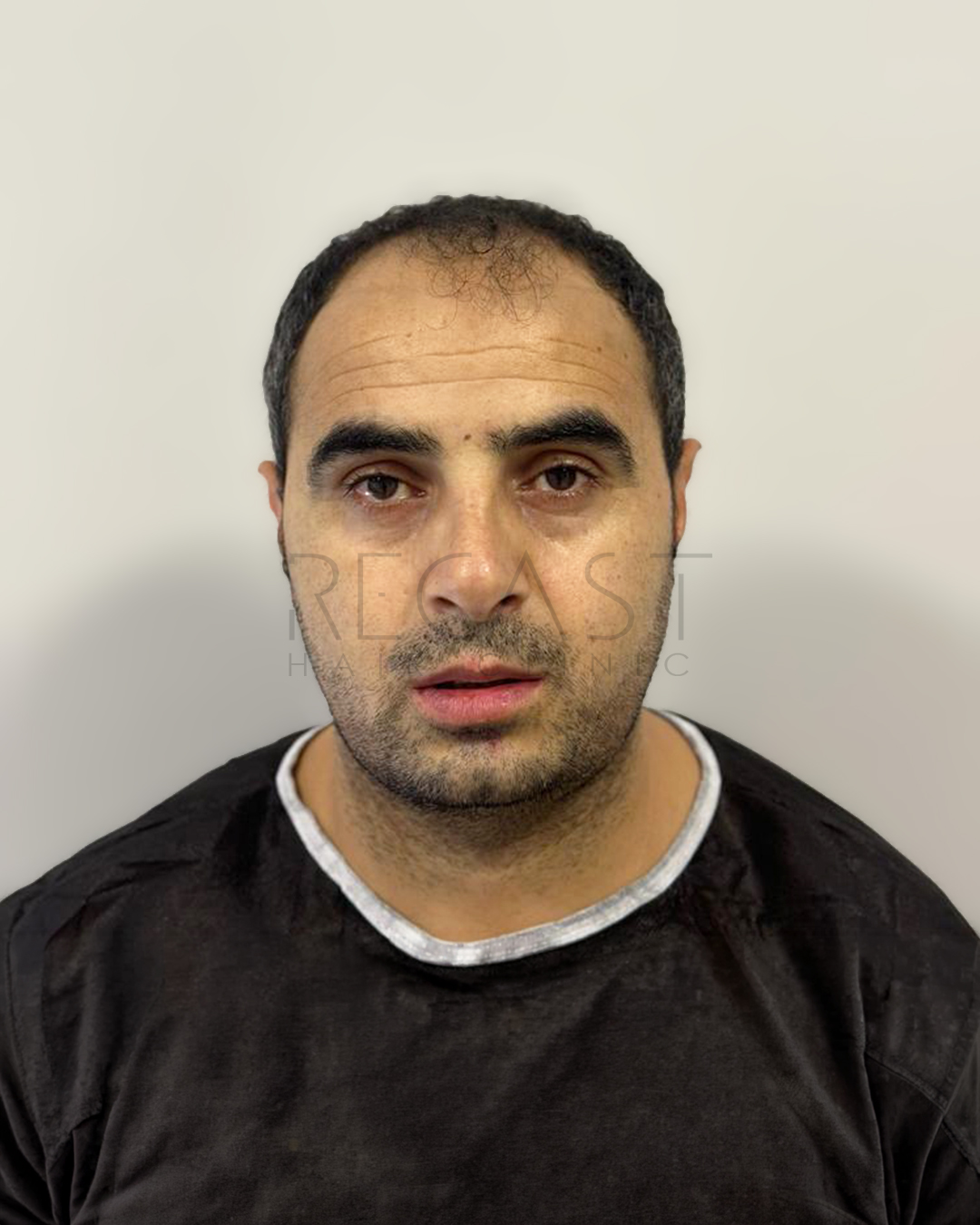
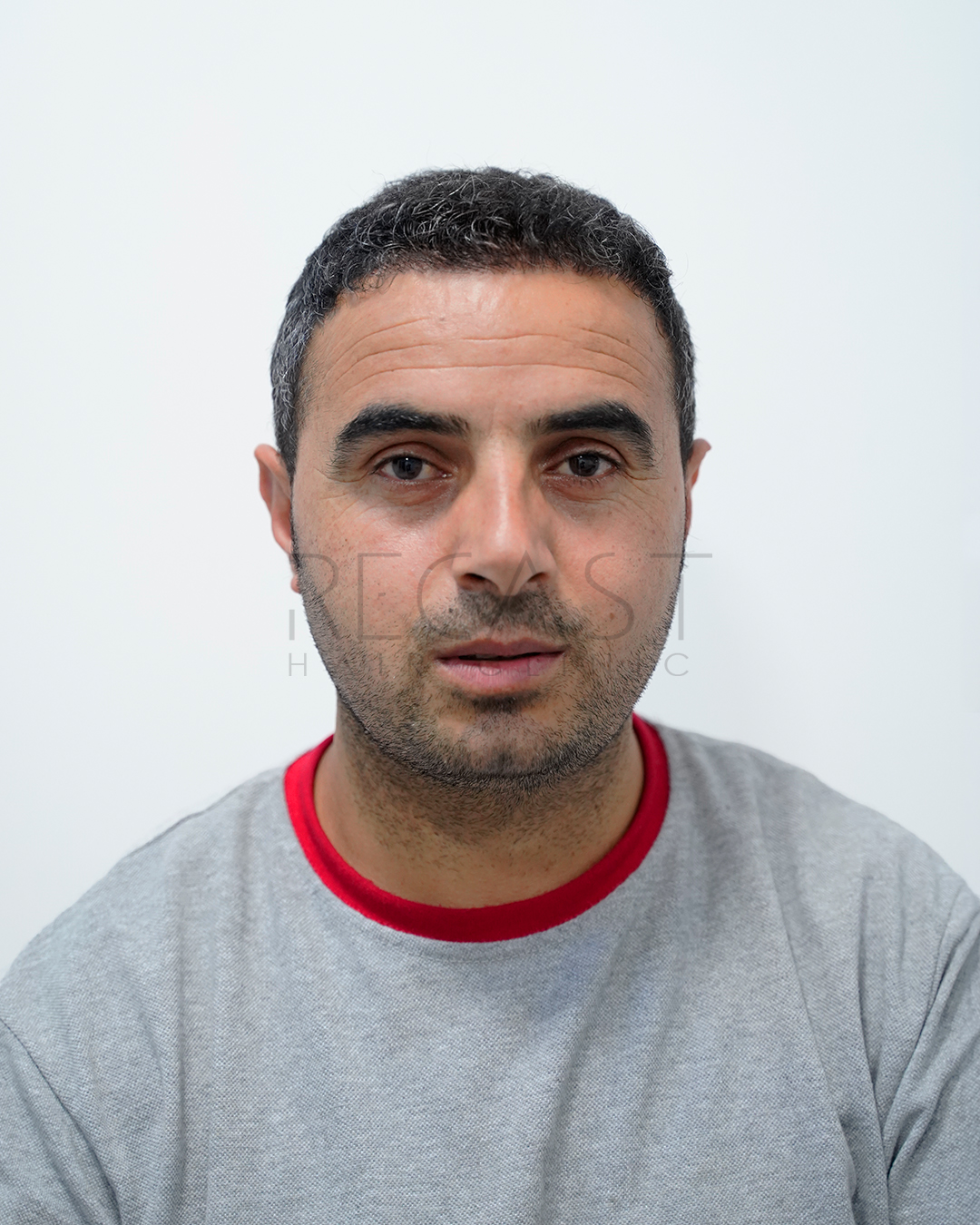
Vertex Hair Transplant Before & After
See the impressive results of our Vertex Hair Transplant for yourself. Natural results and satisfied patients.
 BEFORE
 AFTER
AFTER
 BEFORE
 AFTER
AFTER
 BEFORE
 AFTER
AFTER
Would you like to achieve similar results?
Request Free AnalysisFrequently Asked Questions About Vertex Hair Transplant
Find answers to the most important questions about Vertex Hair Transplant. Click on a question to see the answer.
A Vertex Hair Transplant specializes in treating the whorl area (vertex/tonsure) at the back of the top of the head. This area, often called the "crown," is one of the most commonly affected zones by hair loss in men.
Vertex Hair Transplant is challenging because the hair in this area grows in a spiral pattern – the whorl. The surgeon must replicate this natural structure so the result looks natural and the hair lies correctly.
For a complete Vertex Hair Transplant, 1,500 to 3,500 grafts are needed depending on the size of the bald spot. The vertex is a relatively large area, and since it often becomes progressively balder, we plan strategically for future hair loss.
In Vertex Hair Transplant, we often recommend treating the hairline first since it is the most visible. If sufficient donor hair is available, we can treat both areas in one session. With limited donor supply, we prioritize the hairline.
In Vertex Hair Transplant, we place the grafts in a spiral pattern that mimics the natural whorl. The growth direction is planned from the center outward, so the hair falls naturally with no gaps.
Yes, the transplanted hairs in a Vertex Hair Transplant are permanent. They come from the resistant back of the head. However, hair loss in surrounding areas may progress, which is why we sometimes recommend additional sessions.
Yes, if sufficient donor hair is available, we can treat the entire scalp including hairline and vertex in a single Vertex Hair Transplant session. This often requires 4,000-5,000 grafts and a longer procedure.
Recovery after Vertex Hair Transplant is similar to other areas. Crusts fall off after 7-10 days. Since the vertex is less visible, the healing phase bothers many patients less. The final result is visible after 12-18 months.
The cost of Vertex Hair Transplant depends on the size of the area. At our clinic, it costs between €2,500 and €5,000 all-inclusive, depending on the graft count. Combined with hairline treatment, the price increases accordingly.
Medications like Finasteride and Minoxidil can slow or stop hair loss in the vertex area. However, with already advanced hair loss, a Vertex Hair Transplant is often the only solution for visible density.
The hairs transplanted in a Vertex Hair Transplant do not fall out. However, natural hair around the transplanted area may continue to thin. We often recommend accompanying medication therapy to stop the hair loss.
In Vertex Hair Transplant, we always consider future hair loss. We don't only transplant the currently bald area but plan strategically for the future. This way we avoid isolated islands forming later.